
Finding the right walking path isn't just about the distance — it's about feeling confident you can actually complete it. Over the past five years, I've walked nearly every accessible trail within reasonable distance of Dublin, Cork, and Galway. Some are brilliant. Some? Not so much.
This guide covers 12 paths I'd personally recommend to anyone over 45 looking for a genuine nature experience without unnecessary strain. You'll find specific details about what makes each one work: parking accessibility, terrain conditions, how busy they get, and realistic timeframes. No marketing fluff, just honest assessments from someone who's done the walks.
Dublin Area: Three Routes Worth Your Time
Dublin's got more green space than people realize. The trick is knowing which parks have the infrastructure you actually need — proper paths, places to sit, accessible facilities. These three are genuinely solid choices.
Phoenix Park Loop: The Gentle Classic
Phoenix Park's got 9.7 square kilometers of space. You don't need to tackle all of it. The main loop around the park is roughly 2.5 hours at a comfortable pace, but here's the real benefit: you can bail out whenever you want. There's always a path back to the main entrance.
What actually works here: proper tarmac paths throughout, multiple benches (seriously, count them), accessible toilets near the visitor center, and genuinely decent parking. The crowds thin out significantly after 11am on weekdays. Terrain's completely flat. You'll see wildlife — fallow deer are common — which makes the walk feel less like exercise and more like exploring.

Cork: Where Paths Meet River Views
Cork's different from Dublin. The walks feel less manicured, more genuinely wild. That's either brilliant or frustrating depending on your mobility needs. These routes balance accessibility with that authentic Cork feeling.
Blackrock Castle Riverside Walk
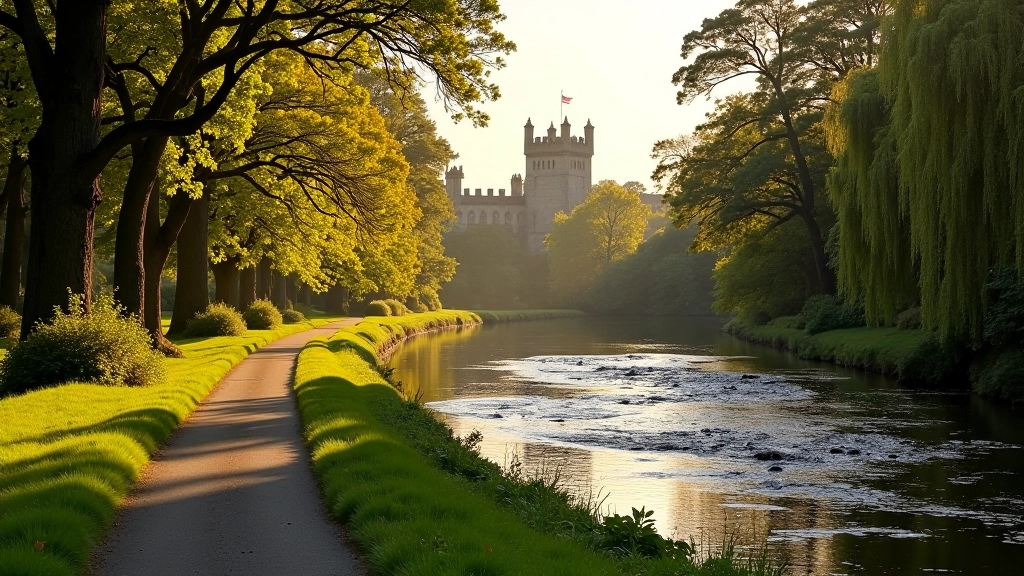
This is genuinely special. The path hugs the River Lee for about 3 kilometers, starting at Blackrock Castle. It's a mix: tarmac sections that are perfectly flat, then slightly rougher stone paths with decent grip. The river's always on one side, which gives you a focal point.
Real talk: you'll climb maybe 30 meters total elevation over the whole route. There's a café at the start where you can grab coffee beforehand. Most people do this in about 75 minutes. The path narrows occasionally, so it's not ideal if you're using mobility aids, but if you've got reasonable balance, you'll manage fine.
Galway: Bog Walks and Mountain Views
Galway's terrain is completely different. You're looking at boggy paths, rougher surfaces, and actual elevation. That sounds harder than it is. The key is accepting that bog walking requires proper footwear and a different pace. But the views? Worth it.
Connemara Bog Walk: Short Loop Option
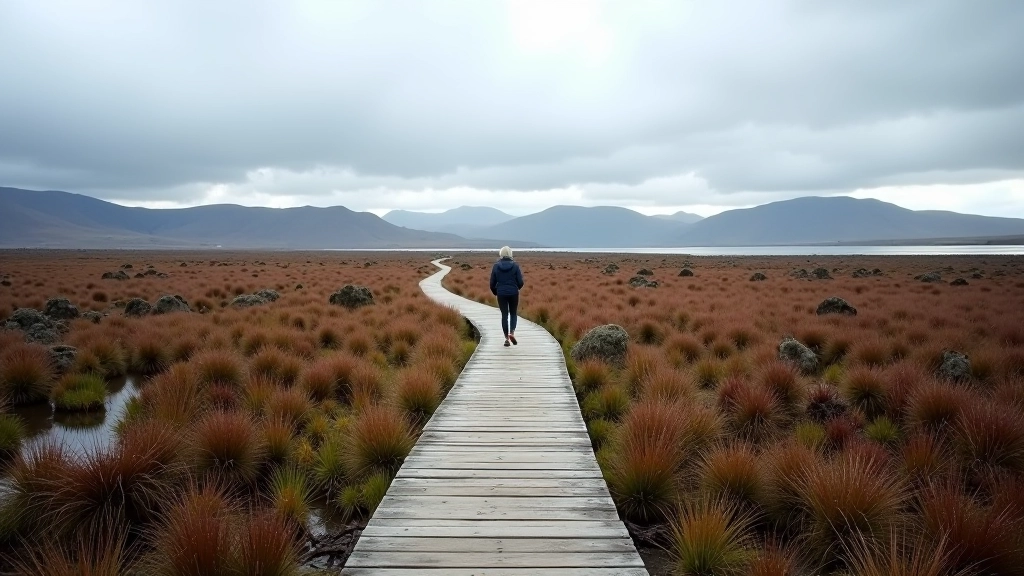
There's a 1.2-kilometer loop that's perfect if you want authentic bog experience without committing to hours of walking. The path's boarded in sections — wooden walkways over the actual bog — which makes it accessible even when wet. Takes about 25 minutes comfortably.
What makes this work: you're surrounded by nothing but bog and sky. It genuinely feels wild. No crowds. Parking's straightforward. You don't need special fitness, but you do need waterproof shoes and a windproof jacket. Weather changes fast out here.
What Actually Matters When Choosing a Path
After testing these trails extensively, certain features consistently make the difference between an enjoyable walk and a frustrating one.
Surface Quality
Tarmac's reliable. Stone's fine if it's properly bedded. Avoid loose gravel — it's harder on joints and unpredictable underfoot.
Elevation Changes
Gentle slopes are fine. Steep climbs aren't necessary for an interesting walk. Flat paths with good views are completely legitimate.
Seating & Facilities
Benches every 500 meters makes a massive difference. Accessible toilets aren't optional. Parking close to the start matters.
Crowd Management
Popular trails during quiet hours are brilliant. Weekday mornings are almost always better than weekends.
Weather Protection
Tree cover protects from wind and sun. Open bog walks need proper weather conditions. Know what you're getting into.
Loop vs. Linear
Loops let you turn back halfway. Linear paths mean you're committed. Loops are genuinely better for flexible planning.
Making the Most of Your Walk
Here's what I've learned works consistently: start early, bring water, wear layers, and don't rush. Walking at 3 kilometers per hour is absolutely fine. It's not a fitness test.
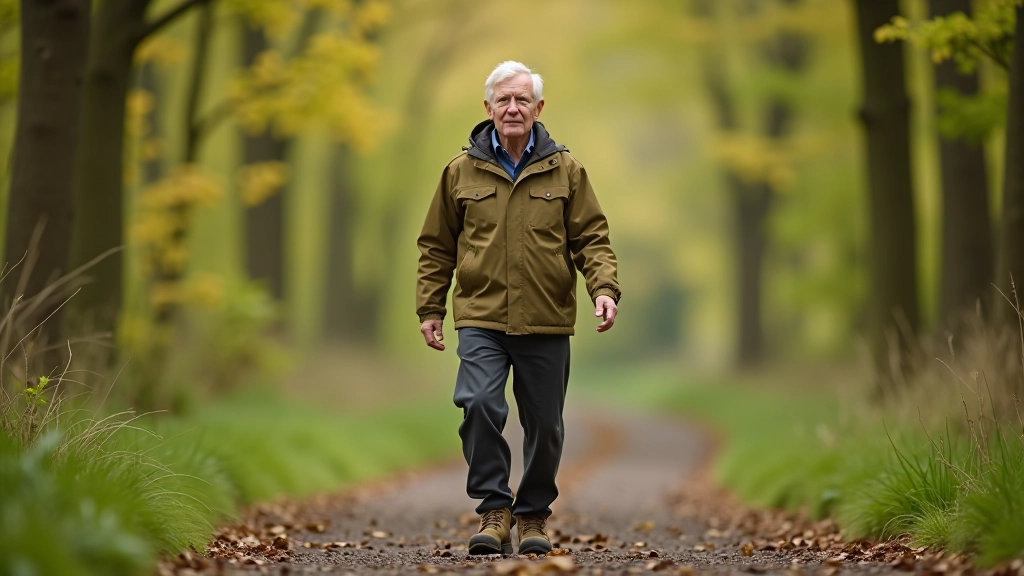
The best walks aren't about distance. They're about being outside, moving at your own pace, and noticing things — how light hits water, bird calls, the way trees change across seasons. You don't need to exhaust yourself to get those benefits. In fact, you're more likely to enjoy them if you're not struggling.
Weather matters more than you'd think. A walk that's brilliant on a dry, calm day becomes genuinely unpleasant in heavy wind or rain. That's not weakness — that's just physics. Choose your conditions wisely.
Beyond the Big Three: Six More Worth Exploring
If you've done these and want more options, there's actually no shortage. Wicklow's got brilliant trails — Ballinastoe's genuinely excellent if you want something between "easy stroll" and "serious hike." Lough Key Forest Park near Boyle is stunning. Even smaller walks around Athenry or near Kinsale offer real value.
The pattern's consistent: accessible trails exist everywhere once you know what to look for. Most Irish parks have at least one genuinely decent walking option. The trick is checking beforehand — does it have parking? Are there benches? What's the surface actually like? — rather than showing up and hoping for the best.
Key Takeaway
Walking paths aren't one-size-fits-all. You're not looking for the "hardest" route or the most famous one. You're looking for the one that works for you — the one where you can move comfortably, stop when you need to, and actually enjoy being outside. All 12 paths in this guide do that. Pick based on what appeals to you, not on what you think you "should" do.